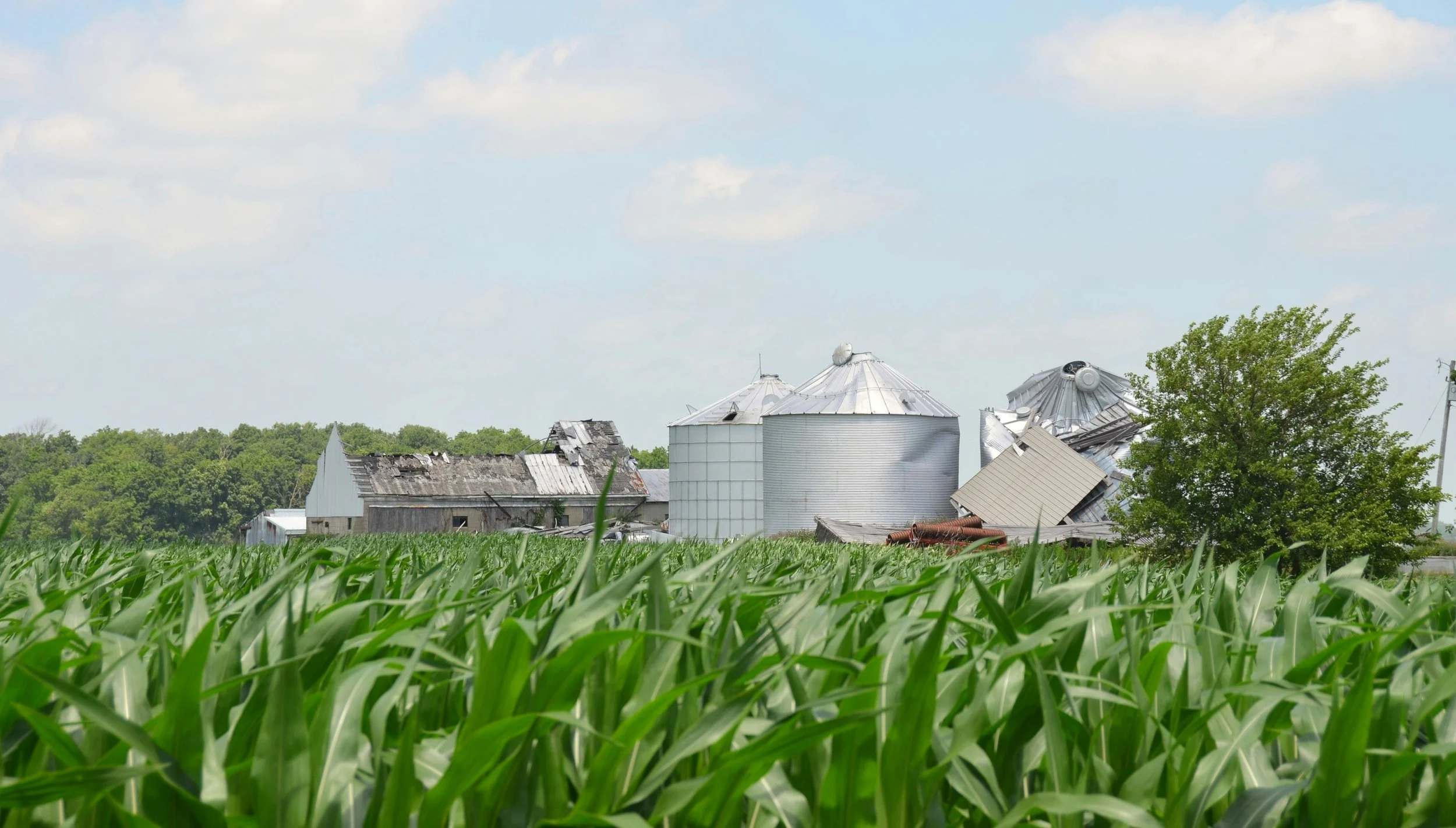
‘Huge wave’ of carbon storage projects causes alarm in small-town USA as oil firms eye billions in subsidies
Dozens of projects are in development across US despite concerns over environmental and health risks
The plan to bury carbon under remote Indiana farmland is supposed to be a slam dunk for the climate, according to its supporters – all generously funded by US tax dollars.

Forget Expensive Carbon Capture—Renewables Are the Cheaper Climate Fix
When it comes to reducing atmospheric carbon, new research shows that renewable energy is a more cost-effective investment than direct air capture.
To avoid the worst impacts of climate change, the global community must rapidly transition to renewable energy while also expanding carbon dioxide removal—technologies that literally pull this greenhouse gas out of the atmosphere. Both endeavors will be costly, but a new study strongly suggests the U.S. should prioritize investing in renewable energy over expensive, energy-intensive direct air capture schemes.

The Hidden Power Behind U.S. Carbon Capture Lobbying: Who Really Benefits?
On paper, carbon capture and storage (CCS) sounds like a miracle. The reality looks less like innovation and more like an industry cash grab.
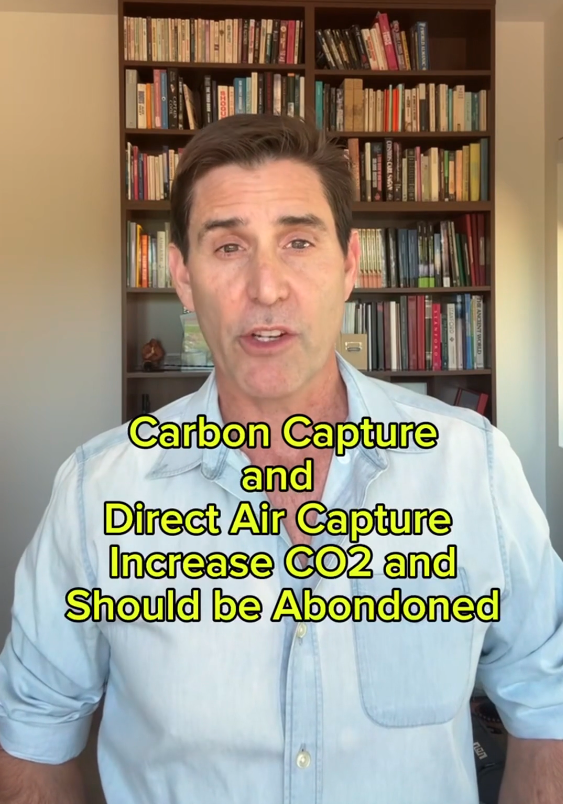
Why Carbon Capture and Direct Air Capture Increases CO2 and Air Pollution and Should be Abandoned
Stanford Professor Mark Jacobsen discusses why CCS and DAC are not needed.
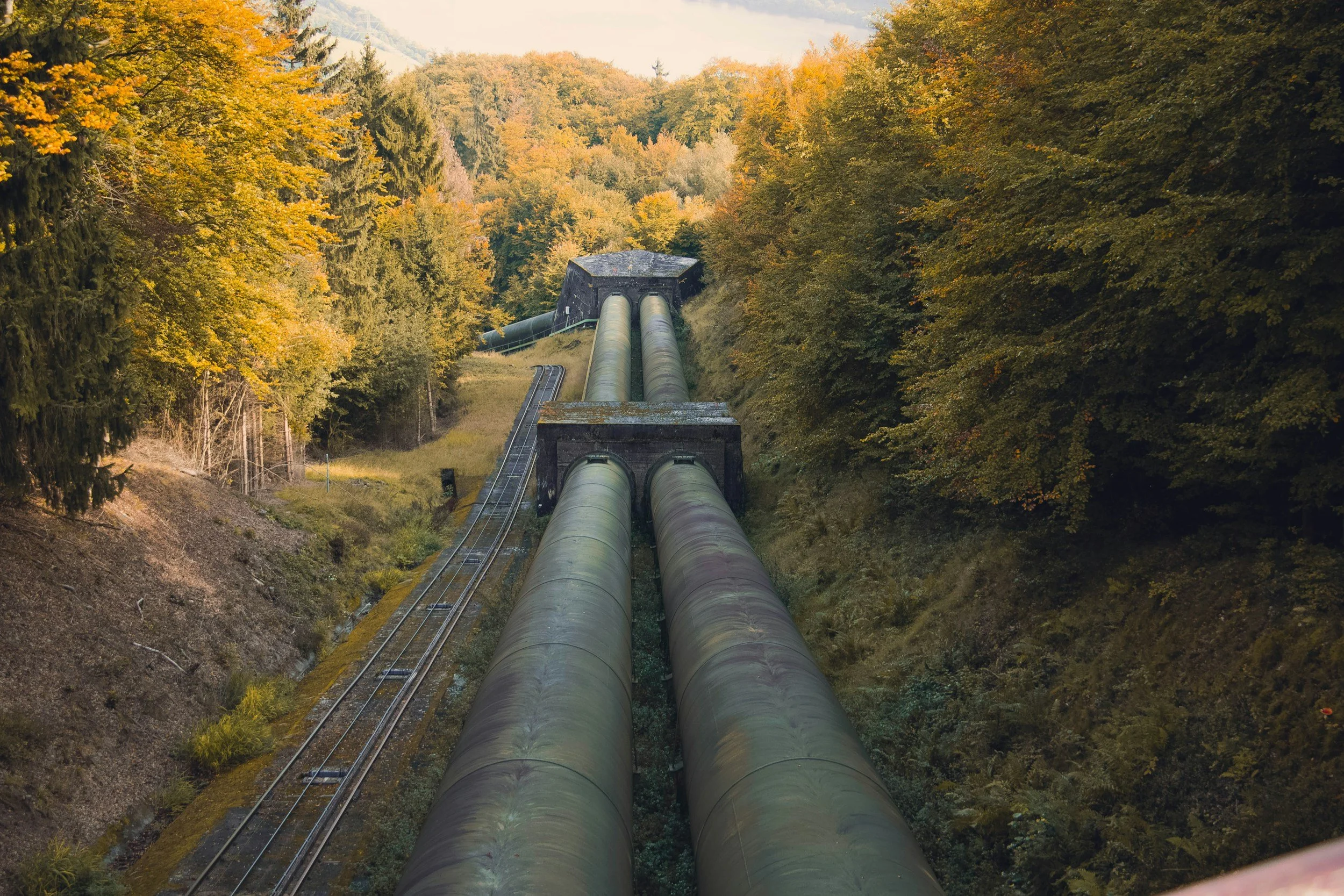
Roundtable signs on to letter opposing fast-tracking Pipelines
The Roundtable signed onto a letter opposing a proposal to fast-track pipelines, including carbon pipelines, and other fossil fuel infrastructure.
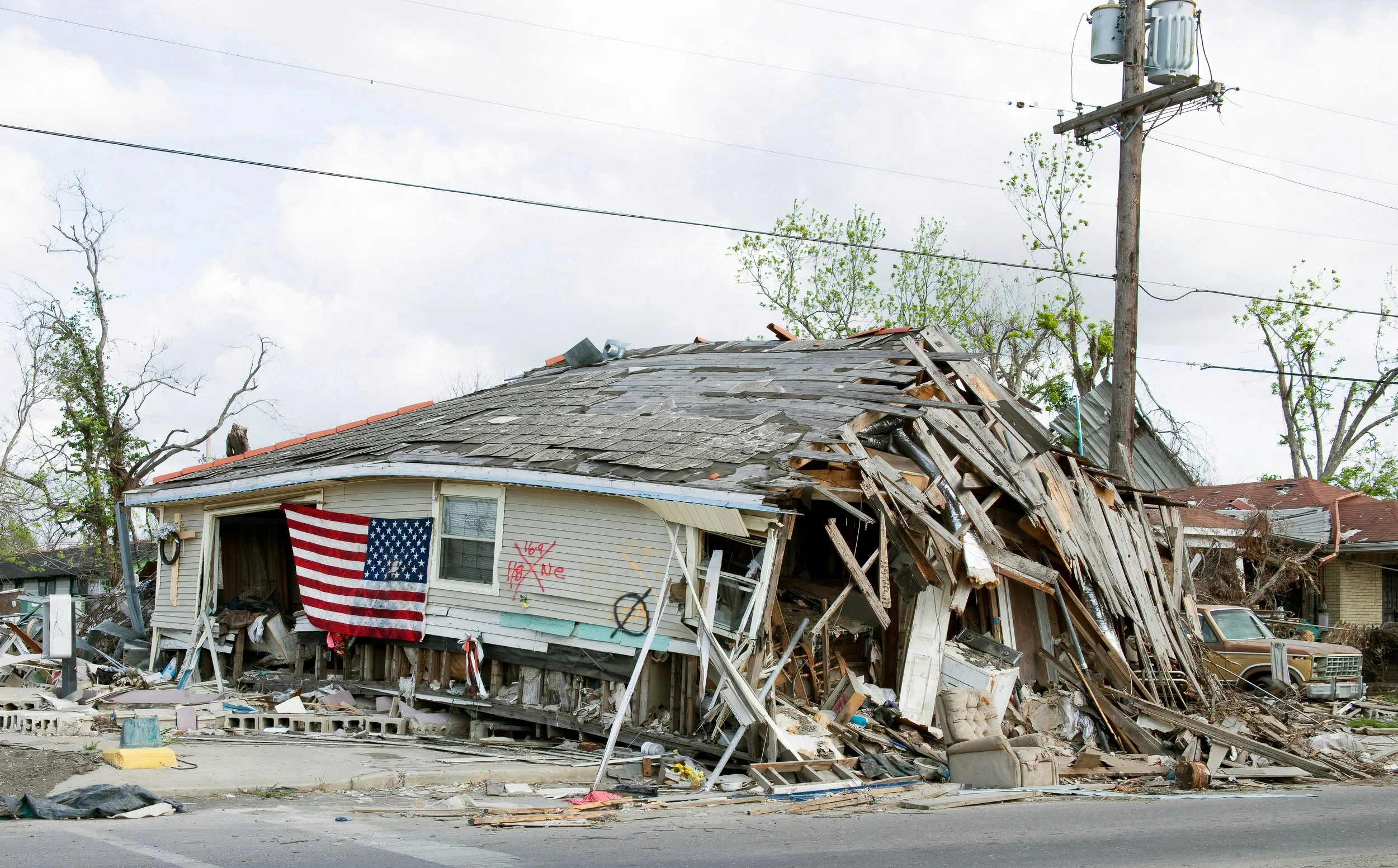
Q&A: How a Former ExxonMobil Employee Confronted the Climate Disinformation Machine
Former ExxonMobil climate scientist Lindsey Gulden: “It was after I was fired for reporting a garden variety fraud that I really sat back and thought about the implications for climate change.”
Lindsey Gulden, a climate scientist, spent more than a decade working as a data scientist for ExxonMobil until she was fired in 2020 after internally reporting an allegedly fraudulent overvaluation of the company’s assets in the Permian Basin, an oil and gas-producing region spanning Texas and New Mexico. (ExxonMobil says her termination was unrelated and denies fraud took place).

When Analysts Fail to Show Their Work, the Fossil Fuel Industry Benefits
To mislead with a complex model, an expert must simply fail to fully disclose the model settings and data that they fed the model. Experts need not voice a lie; they only need to avoid making their work freely and fully reproducible by someone else.
Debunking the canard that CCS is needed for cement and steel decarb
Carbon capture and storage proponents are using a new report to argue we must dramatically scale this technology to remove climate-warming pollution and decarbonize the steel and cement industries. The canard of the hard-to-decarbonize industry has captured many well-meaning climate advocates in the CCS trap.

Unrealistic Assumptions Give Rhodium Analysis Overly Rosy Outcomes
In reality, CCS is only consistently profitable when CCS is coupled with natural gas processing facilities to increase oil recovery from existing petroleum reservoirs.
What Is Carbon Capture and Why Do We Care?
A deep dive on carbon capture, and the costs and risk associated with the technology.

Unanswered Questions Regarding Carbon Capture and Storage 45Q Tax Credits
To maximize transparency and accountability, we need more answers about carbon capture projects.